

The alarm goes off and your shoulder aches before your feet even hit the floor. The old spring mattress has a dip right where your hip lands, and every time your partner rolls over at 2 a.m., the whole bed shakes like a boat at the dock. You have heard people rave about their memory foam mattress for years. Now you want to know if it would actually fix those mornings or just trade one problem for another.
Good news for tired sleepers: the team at Zeglin's has already sorted through the foams, firmness levels and fine print so you do not have to. Our Moline and Davenport showrooms let you lie down on real beds before you buy, which beats guessing from a product photo. This guide covers how memory foam works, who it suits best, and how it stacks up against hybrid, innerspring and latex. You will also find the honest trade-offs, what to check on a spec sheet, and the models we like right now.
Key Takeaways
- Memory foam molds to your body: It softens with heat and pressure, which eases pressure at the shoulders and hips and keeps a partner's movement from reaching your side.
- Side sleepers often love it: Back and stomach sleepers usually need a firmer feel, while hot sleepers should look for gel, open-cell or hybrid designs.
- Firmness and density are not the same thing: Firmness is how the bed feels, while density, measured in pounds per cubic foot, points to how long the foam will last.
- Expect about 7 to 10 years of use: The right foundation, a protector and regular rotation help a foam bed keep its shape.
Find Your Best Night's Sleep at Zeglin's
Test memory foam, hybrid and innerspring beds side by side with help from our local sleep team. Zeglin's serves the Quad Cities from Moline and Davenport with delivery and setup you can count on.
What Is a Memory Foam Mattress and How Does It Work?
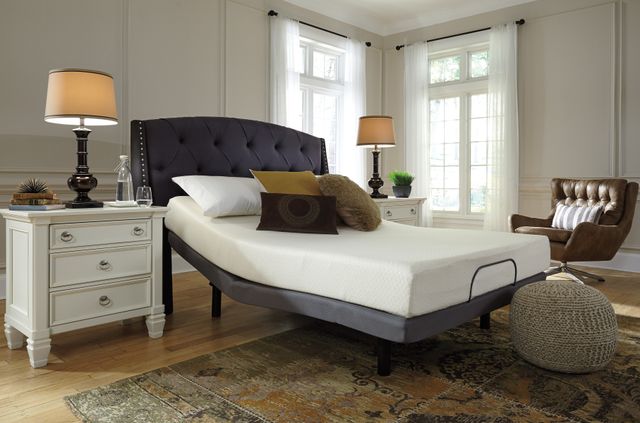
A memory foam mattress is a bed made with viscoelastic polyurethane foam that softens under body heat and pressure, molds to your shape, and then slowly returns to its original form when you get up. That slow, sink-in response is what gives memory foam its well-known hug.
The material traces back to NASA-funded research in the 1960s on better cushioning for aircraft seats. Today it is one of the most popular mattress materials in the country.
Types of Memory Foam
Not all memory foam feels or performs the same way. Most beds use one or more of these types:
- Traditional memory foam: The classic, slow-moving foam with a deep hug that can hold more heat.
- Gel-infused memory foam: Gel beads or swirls help pull heat away from your body.
- Open-cell memory foam: More open pockets inside the foam let air move through it.
- Copper or graphite-infused foam: These materials help move heat away from the surface.
- Plant-based foam: Plant oils, such as soy, replace part of the petroleum base.
All-Foam vs Hybrid Construction
An all-foam mattress uses only foam from top to bottom for the strongest motion isolation and the most even hug. A hybrid puts memory foam comfort layers on top of a coil support unit. The coils add bounce, airflow and firmer edges, which makes a hybrid a good middle ground if you dislike a stuck-in-place feel.
How the Layers Shape the Feel
Most foam beds are built in three zones, and each one changes how the mattress feels:
- Comfort layer: The memory foam you feel first. Thicker comfort layers mean more sink and a plusher feel.
- Transition layer: A slightly firmer foam that keeps you from sinking straight through to the base.
- Support base: A dense foam or coil unit that holds your spine in line.
Two beds can both say memory foam on the label and feel completely different because the layer thickness changes. That is why testing a bed in person tells you more than the tag.
Who Should Choose a Memory Foam Mattress?
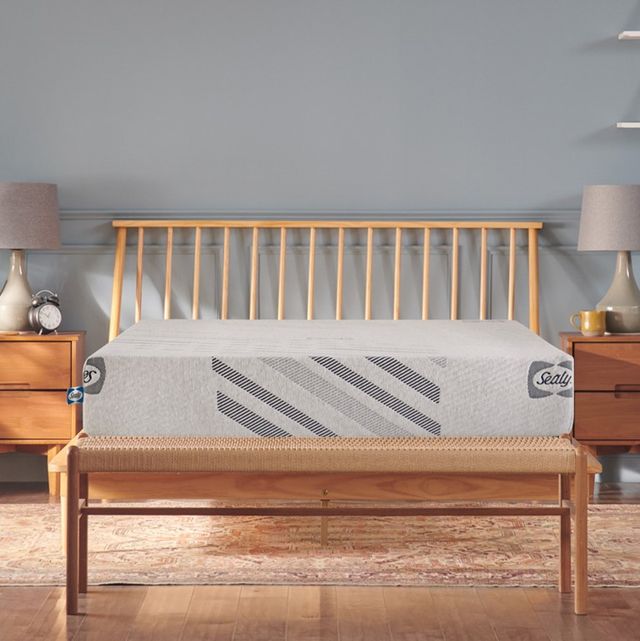
Memory foam works best for people who want pressure relief and quiet sleep. Your sleep position, body weight and how warm you run all play a part.
Sleep Position Breakdown
- Side sleepers: Usually a great match, since medium to soft foam lets the shoulder and hip sink in.
- Back sleepers: Often do well on medium to medium-firm foam that supports the lower back.
- Stomach sleepers: Need a firmer surface so the hips do not drop.
- Combination sleepers: May find slow foam harder to move on, so a responsive foam or hybrid can help.
Couples, Pressure Points and Allergies
Couples are some of the happiest memory foam owners. The foam absorbs movement right where it happens, so a restless partner is less likely to wake you, and there are no springs to creak.
People who feel pressure at the shoulders and hips often like the way foam spreads out their weight. Allergy-conscious shoppers may like dense foam too, since it gives dust mites fewer places to settle than an open innerspring. If you live with back, joint or other pain, talk with your doctor about the support that fits your needs.
How Body Weight Changes the Best Firmness
Lighter sleepers often find firm foam too stiff because they never sink far enough to feel the contour. Heavier sleepers press deeper, so they usually need a firmer feel and higher-density foam that holds up over time.
Who Might Prefer Another Type
Memory foam is not for everyone. You may be happier with a hybrid, innerspring or latex bed if you:
- Sleep hot and wake up sweaty even with light bedding.
- Change positions many times a night and dislike any stuck feeling.
- Love a bouncy, springy surface that pushes back right away.
- Sit on the edge of the bed often and want very firm edges.
Quick Self-Check: Is Memory Foam a Match?
Answer yes or no to each line. If you say yes to most, a memory foam mattress is worth a serious test.
- You sleep mostly on your side or back.
- You wake up when your partner moves.
- You want relief at the shoulders and hips.
- You do not usually sleep hot.
- You like a hug-like feel more than a bouncy one.
- You want a quiet bed with no squeaks.
Read More: What is the Best Mattress for Side Sleepers? | Pros & Cons of Choosing a Hybrid Mattress
Memory Foam Mattress vs Hybrid vs Innerspring vs Latex
These two charts compare the four main mattress types with simple ratings, so you can see where memory foam leads and where it lags.
| Mattress Type | Feel | Pressure Relief | Motion Isolation | Temperature Control | Edge Support |
|---|---|---|---|---|---|
| Memory Foam | Slow, body-hugging | High | High | Low to moderate | Low to moderate |
| Hybrid | Balanced hug and lift | Moderate to high | Moderate | Moderate to high | High |
| Innerspring | Bouncy, on top | Low to moderate | Low | High | Moderate to high |
| Latex | Buoyant, responsive | Moderate to high | Moderate | High | Moderate |
| Mattress Type | Bounce and Response | Typical Lifespan | Price Tier | Best For |
|---|---|---|---|---|
| Memory Foam | Low | 7 to 10 years | Budget to premium | Side sleepers and couples |
| Hybrid | Moderate to high | 7 to 10 years | Mid to premium | Combination and hot sleepers |
| Innerspring | High | 5 to 7 years | Budget to mid | Stomach sleepers and tight budgets |
| Latex | High | 10 years or more | Mid to premium | Eco-minded and hot sleepers |
If your top goals are pressure relief and quiet, still nights, memory foam is hard to beat. If you sleep hot or move a lot, a hybrid gives you some of that foam comfort with more airflow and bounce.
Memory Foam Mattress Firmness, Density and Thickness Explained
Once you know foam is a good fit, three numbers decide the right build: firmness, density and thickness.
The 1 to 10 Firmness Scale
Most brands rate firmness from 1, the softest, to 10, the firmest. Labels vary by brand, so use these as rough guides:
- Soft or plush (about 2 to 4): Deep sink and a cradled feel for lighter side sleepers.
- Medium (about 5 to 6): Balanced contour and support for many back and side sleepers.
- Firm (about 7 to 8): More on-top support for stomach sleepers and heavier sleepers.
Foam Density
Density is the weight of one cubic foot of foam, listed in pounds per cubic foot. Memory foam generally falls into three groups:
- Low density (under 3 pounds): Quick to break in, but it can wear down sooner.
- Medium density (3 to 5 pounds): A common middle ground of comfort, price and durability.
- High density (over 5 pounds): Slower to respond and usually the most durable.
Firmness and Density Are Not the Same
Many shoppers mix these up. Firmness is how hard or soft the bed feels, while density is how tightly packed the foam is. A high-density foam can feel soft, and a low-density foam can feel firm. Density tells you how well the foam will hold its shape, while firmness tells you how it will feel tonight.
Mattress Thickness
Most memory foam beds run about 8 to 14 inches thick. An 8-inch bed suits guest rooms and kids' rooms, 10 to 12 inches fits most adults, and 13 inches or more usually means thicker, plusher comfort layers. A thick support base keeps heavier sleepers from bottoming out.
Memory Foam Mattress Pros and Cons at a Glance
Memory foam cradles pressure points and keeps the bed still, but it comes with a few trade-offs worth weighing before you buy.
Pros
Body-hugging contour
The foam molds to your shape and fills in the gaps at your waist and lower back.
Strong pressure relief
Shoulders and hips sink in, which helps side sleepers rest more comfortably.
Top-tier motion isolation
A partner's tossing and turning stays on their side of the bed.
Quiet operation
With no coils, there are no squeaks or creaks when you move.
Wide price range
You can find a memory foam bed for a guest room budget or a premium main bedroom.
Cons
Can hold heat
Traditional foam traps more warmth than coils or latex, though newer cooling foams help.
Slow-response feel
Some people feel stuck when changing positions.
Softer edges
All-foam beds often compress more when you sit on the side.
Does a Memory Foam Mattress Sleep Hot? Cooling and Off-Gassing Facts
Heat and new-bed smell are the two concerns we hear about most. Both are easier to manage than they used to be.
Why Foam Can Trap Heat
Traditional memory foam is dense and softens in response to body heat, so it holds warmth close to you. Mattress makers now fight that heat in several ways:
- Gel infusions: Help pull heat away from the surface.
- Open-cell structures: Give air more room to flow through the foam.
- Phase-change covers: Fabrics that feel cool to the touch and absorb extra warmth.
- Hybrid coil layers: Leave open space under the foam for better airflow.
What Off-Gassing Is and How Long It Lasts
Off-gassing is the new-mattress smell released by fresh foam, and it is most noticeable with tightly sealed bed-in-a-box models. The odor usually fades within a few days and is gone within a week or two. To air out a new mattress, open it in a well-ventilated room, run a fan and let it breathe for a day or two before adding sheets.
Certifications Worth Looking For
- CertiPUR-US: Certifies foam made without certain flame retardants, heavy metals, formaldehyde and specific phthalates, with low emissions for indoor air.
- GREENGUARD Gold: Tests finished products for chemical emissions under strict limits set with schools and health care spaces in mind.
Easy Ways to Sleep Cooler
- Use breathable sheets made from cotton percale or linen.
- Choose a breathable mattress protector instead of a thick vinyl one.
- Keep the bedroom cool, roughly in the mid-60s Fahrenheit.
Read More: Stay Cool and Sleep Better with the Tempur-Pedic Breeze Collection | 4 Ways to Stay Cool with a Serta Mattress this Summer
How Long Does a Memory Foam Mattress Last?
A well-made memory foam mattress usually lasts about 7 to 10 years. Higher-density foam tends to keep its shape longer, while body weight, shared use and care also play a role.
Pick the Right Foundation
Memory foam needs a solid, even base. These options work well:
- Platform beds: A built-in deck or slats that give foam a firm, flat surface.
- Slatted bases: Fine when the slats are sturdy and close together.
- Solid foundations: A firm-topped box that adds height without springs.
- Adjustable bases: Most foam beds bend easily, so check the model is compatible.
Our mattress team often tells shoppers to measure the gaps between bed slats before setting up a new foam bed, since spacing wider than about 3 inches can let the foam sag between them over time. A classic box spring with coils is usually not a good match for an all-foam bed, so check your brand's warranty for approved bases.
Simple Care Habits
- Rotate the mattress head to foot every few months.
- Use a waterproof, breathable protector from day one.
- Skip jumping on the bed, which breaks down foam faster.
- Follow the warranty rules, which often require a proper support base.
The Adjustment Period
A new foam bed can feel strange at first, especially after years on springs. Most people settle in within about 30 days. Trying a mattress in person for 10 or 15 minutes in your usual sleep position gives you a better read than any online review.
Signs It Is Time to Replace It
- Permanent body impressions that stay after you get up.
- A dip in the middle or along your side of the bed.
- Waking up stiff or sore when you did not before.
- Sleeping better on a hotel bed than on your own.
Read More: How Long Does a Serta Mattress Last? | Is a Tempur-Pedic Mattress Right for You?
How Quad Cities Seasons Change the Feel of Memory Foam
Memory foam reacts to room temperature, not just body heat. It stiffens in a cool room and softens in a warm one. In the Quad Cities, where winters run cold and summers get humid, the same bed can feel a little different in January than in July.
- Cold bedrooms make foam feel firmer: A bed that felt perfect in a warm showroom may seem stiffer in a chilly winter bedroom.
- Humid summer nights make foam feel softer: Heat adds sink, so cooling covers and breathable sheets matter more in July.
- Let a new bed warm up: A bed-in-a-box delivered in winter should sit in a heated room before you judge the feel.
- Lie still when testing: Give a showroom bed a few minutes so the foam can respond to your body.
Memory Foam Mattress Picks to Try at Zeglin's
These five beds cover everything from a firm guest room mattress to a plush, premium centerpiece. Each one uses foam to ease pressure and limit motion, with different firmness levels and thicknesses for different sleepers. Stop by Zeglin's to lie down on them and compare the feel for yourself.
Sierra Sleep® by Ashley® 8" Memory Foam Firm Tight Top Full Mattress in a Box
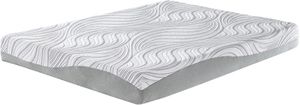
This Sierra Sleep by Ashley full mattress is a smart, simple pick for stomach sleepers, back sleepers and guest rooms. A 1-inch memory foam layer adds a touch of contour on top. Below it, 7 inches of firm support foam keep you lifted instead of sinking in.
A stretch knit cover gives the surface a soft, smooth feel. The bed ships compressed in a box, so allow 48 hours for it to fully expand. It works with adjustable bases and is backed by a 10-year manufacturer warranty.
Top Features
- Firm Comfort Level: A supportive, on-top feel that suits stomach and back sleepers.
- 1-Inch Memory Foam Layer: Adds light contouring without a deep sink.
- 7-Inch Firm Support Foam: A sturdy base that helps keep the spine in line.
- Adjustable Base Compatible: Bends easily to pair with a power base.
- 10-Year Warranty: Manufacturer coverage for long-term peace of mind.
Sierra Sleep® by Ashley® Chime 8" Memory Foam Medium Tight Top Full Mattress in a Box

The Chime 8-inch full mattress hits the middle of the firmness scale, which makes it a flexible choice for back sleepers, kids' rooms and guest beds. Its memory foam layer contours to your body for support and pressure relief. A thick layer of firm support foam sits underneath for stability.
The bed is made with hypoallergenic materials that help keep dust mites, pollen, mold and pet dander out. It ships in a box and expands within minutes after you unroll it. A 10-year manufacturer warranty backs it.
Top Features
- Medium Comfort Level: Balanced contour and support for many sleep positions.
- Memory Foam Layer: Molds to your body to ease pressure points.
- Hypoallergenic Materials: Help keep common allergens out of the sleep surface.
- Easy Setup: Unroll the mattress and watch it expand into place.
- Stretch Knit Cover: A soft, flexible cover that moves with the foam.
Sealy® Carrington Chase Albinson 7" Memory Foam Tight Top Queen Mattress
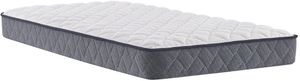
The Sealy Carrington Chase Albinson is the entry point to the Carrington Chase line, pairing trusted Sealy comfort with a budget-friendly price. This 7-inch all-foam queen uses a quilted layer of SealyComfort foam under a soft knit cover with diamond stitching.
The tight top keeps the surface clean and supportive, and the slim profile works well on platform beds and in guest rooms. It is adjustable base compatible and made in the USA. Sealy recommends pairing it with a Sealy base and a proper bed frame for the best feel.
Top Features
- All-Foam Construction: A quiet bed with no springs to squeak.
- SealyComfort Foam: Cushioning designed for a restful night's sleep.
- Soft Knit Cover: Durable fabric with spun yarns that feels soft against your skin.
- Diamond Stitching: A tailored tight top look and feel.
- Made in the USA: Built domestically and adjustable base compatible.
Sierra Sleep® by Ashley® Chime 12" Memory Foam Ultra Plush Tight Top California King Mattress in a Box

The Chime 12-inch ultra plush mattress is made for side sleepers and anyone who loves a deep, cradling feel. A thick memory foam layer contours to your body for pressure relief. High-density firm support foam below keeps you from sinking too far.
The foam helps reduce motion transfer, so couples can sleep without waking each other. Hypoallergenic materials help keep dust mites, pollen and pet dander out. This California King arrives in a box for quick, easy setup and carries a 10-year limited warranty from the maker.
Top Features
- Ultra Plush Comfort Level: A soft, sink-in feel that cradles shoulders and hips.
- Thick Memory Foam Layer: Contours closely to your body for pressure relief.
- High-Density Support Foam: Adds stability under the plush top layer.
- Reduced Motion Transfer: Helps partners enjoy undisturbed sleep.
- 10-Year Limited Warranty: Long-term coverage from the manufacturer.
Tempur-Pedic® TEMPUR-LuxeAdapt® 13" TEMPUR-Material™ Soft Smooth Top Queen Mattress

The Tempur-Pedic TEMPUR-LuxeAdapt Soft is the premium pick for sleepers who want deep, whole-body pressure relief. Ventilated TEMPUR-Material adapts to your weight, shape and temperature. A layer of Advanced Relief Material adds extra cushioning where you need it most.
The SmartClimate cover draws heat away from your body for a cool-to-the-touch feel. TEMPUR-Material is known for motion cancellation, so partners, pets and kids are less likely to disturb you. It is designed and assembled in the USA, works with adjustable bases and is backed by a 10-year limited warranty.
Top Features
- Ventilated TEMPUR-Material: Adapts to your body while adding breathability.
- Advanced Relief Material: More cells per inch for focused pressure relief.
- SmartClimate Cover: Draws heat away for a cooler sleep surface.
- Motion Cancellation: Limits disruptions from a partner's movement.
- Adjustable Base Compatible: Pairs with a power base for custom positions.
Your Memory Foam Mattress Decision Made Simple
A memory foam mattress is a strong fit for side sleepers, couples and anyone who wants pressure relief and a quiet bed. The main trade-offs are heat, a slower feel and softer edges. Check firmness, foam density, thickness and certifications before you choose.
When you are ready to find your fit, visit Zeglin's in Moline or Davenport. Our sleep team can help you test each mattress in person, match firmness to your sleep style and set you up with the right foundation. You also get local delivery, setup and customer service from a Quad Cities team that stands behind every bed, something an online-only brand cannot match.
Frequently Asked Questions About the Memory Foam Mattress
A memory foam mattress is one of the best choices for side sleepers because it lets the shoulders and hips sink in. That contour helps keep the spine in a straight line and eases pressure points.
Traditional memory foam mattresses can sleep warmer than coil or latex beds because the dense foam holds body heat. Gel infusions, open-cell foam, cooling covers and hybrid coil layers help newer models sleep much cooler.
Most people adjust to a new memory foam mattress within about 30 days. The foam softens slightly during that time, and your body gets used to the new support.
Memory foam is better than a hybrid for motion isolation and close contouring, while a hybrid is better for bounce, airflow and edge support. The right choice depends on your sleep position, body temperature and whether you share the bed.
You can put a memory foam mattress on a box spring only if it is a solid, firm foundation and not a classic coil box spring. Foam needs a flat, even surface, and many warranties require an approved base.
Memory foam off-gassing usually fades within a few days and is mostly gone within a week or two. Airing the mattress in a well-ventilated room before adding sheets speeds up the process.
Why Trust Zeglin’s?
Since 1974, Zeglin’s has been proud to serve the Quad Cities as a trusted, family-owned appliance store. What started as a local business in Davenport has grown into a well-known destination for appliances, mattresses, and home entertainment, built on the values of quality, service, and community.
Our showroom features a wide selection of appliances from the industry’s most respected brands, along with expertly designed displays to help inspire your home. At Zeglin’s, we believe every customer deserves personalized attention, dependable products, and the confidence of working with a team that cares. That’s why Davenport locals continue to choose Zeglin’s for their homes year after year.